Getting to Know Heart Attacks
All body cells need blood that carries oxygen to stay alive (vital). Heart attacks occur when the balance between blood supply and blood demand is disturbed.
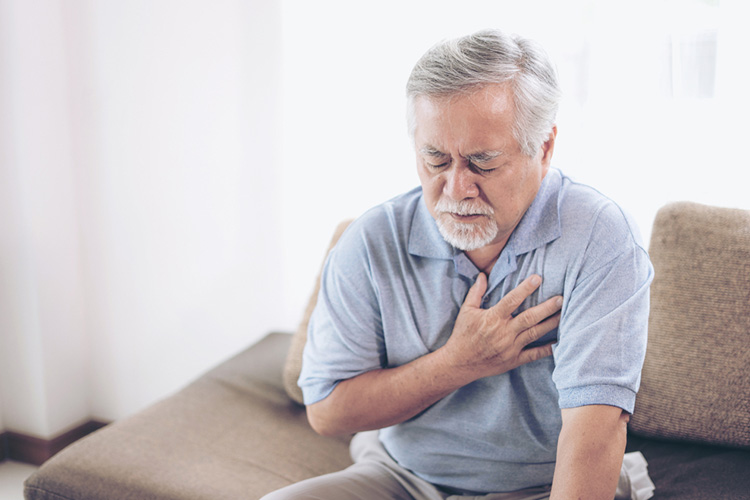
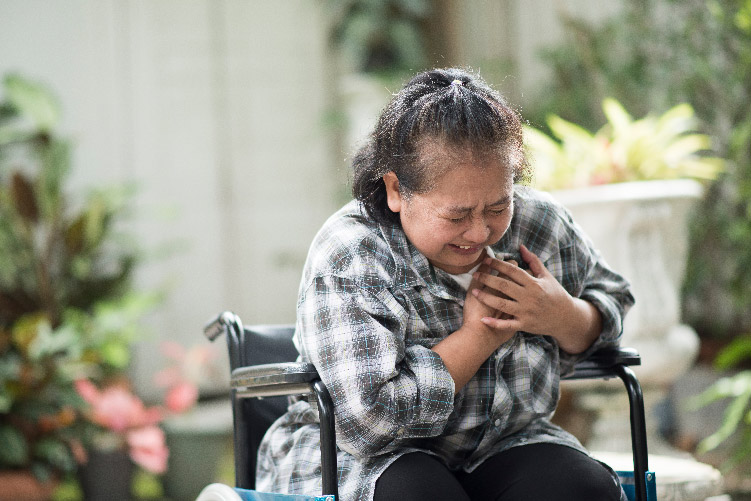
Symptoms can include:
- Pain in the chest or left arm. Pain can also spread from the right shoulder, left hand, or even to both left and right arms.
- Shortness of breath in diabetes sufferers
- Nauseous
- Heartburn in the chest
- Discomfort in the chest
- A cold sweat
If symptoms only occur occasionally, things you can do include:
- Consultation and ECG/Heart Record examination
- Echocardiography (Ultrasound/Heart Ultrasound)
- Training / Treadmill test
- Coronary angiography:
• Heart CT Scan
• Cardiac catheterization
Cardiac Catheterization is useful for:
- View and assess the heart or coronary blood vessels.
- If there is a narrowing or blockage, it can be continued with intervention or action to open the narrowing or blockage with a balloon and to prevent re-narrowing, a Stent or Ring can be installed.
When is catheterization necessary?
1. There are symptoms (chest pain/tightness) or signs of coronary heart disease due to narrowing so that the heart does not get enough oxygen.
2. Heart attack/heart infarction or death of the heart muscle due to blockage of blood vessels.
How to keep your heart healthy?
1. Avoid smoking and tobacco use
2. Be physically active every day
3. Eat healthy food/healthy diet
4. Maintain ideal body weight
5. Maintain stable/normal blood pressure
6. Maintain healthy cholesterol levels
7. Keep blood sugar normal
A healthy diet includes:
◦ Fruits and vegetables
◦ Wheat
◦ Nuts
◦ Grains
◦ Fish (especially fish with omega-3 fatty acids), skinless poultry, and other plant-based alternatives
◦ Fat-free and low-fat dairy products
◦ Healthier fats
Healthy diet tips:
◦ Choose wisely
◦ Compare the nutritional information in the table of contents and choose the product with the lowest amount of salt, sugar, saturated fat and trans fat. Especially not hydrogenated oils.
◦ Watch your calorie intake. To maintain weight, only consume as much as is used in physical activity.
◦ Appropriate food portions
◦ Eat a variety of foods to meet the body's nutritional needs
◦ Prepare and eat healthy food at home so you can have more control over what's in it.
Physical activity:
Physical activity is any activity that makes you move your body and burn calories.
Sport :
Sports advantages:
Reduction of cardiovascular disease, high blood pressure and stroke
Reduced risk of lower gastrointestinal and breast cancer
Reduced risk of diabetes
Reduced risk of osteoporosis
Reduced risk of depression and dementia
Decreased body fat
Improvement of metabolic processes, the way the body breaks down and forms needed substances
Improved movement of joints and muscles
Improved oxygen transport to the body
Improved sense of well-being
Improved strength and endurance
Healthy BB
Body Mass Index (BMI)
◦ Body weight divided by (Height)² = kg/m2
◦ Categories for Asia Pacific people:
≤18.5 = underweight
18.5-22.9 = normal
23-24.9 = pre obese
≥25 = obese
Realistic weight loss:
0.5-1 kg per week gradually and continuously is more successful in maintaining BB stability
Even a reduction of 5-10% of total body weight results in improvements in blood pressure, blood cholesterol and blood sugar.
Every day you must reduce your intake by 500 calories (= 3500 calories per week) so that your weight can decrease by 0.5 kg/week.
Blood pressure :
Targets:
◦ Systolic Blood Pressure < 140 mmHg
◦ Diastolic Blood Pressure < 90 mmHg
The target blood pressure will be lower at
◦ Diabetes mellitus
◦ Kidney disease
Handling Stress:
- Talk positively
- Pray
- Doing a hobby
- Exercising
Dr. Denio A Ridjab, Sp.JP, FESC, FIHA